 FACTORY NETWORK BUSINESS CONFERENCE

Vietnam’s FDI landscape is rapidly expanding, offering immense manufacturing opportunities amid global supply chain shifts. Despite infrastructure and regulatory hurdles, join FBC ASEAN as we explore the strategic policies transforming Vietnam into a premier FDI destination.
What is Foreign Direct Investment (FDI)?
| Foreign direct investment (FDI) is a long‑term investment made by a foreign individual or organization into business activities in another country, with the goal of gaining a lasting interest and a meaningful degree of control over the enterprise. |
Under Vietnamese law, FDI refers to the transfer of capital in money or other assets by foreign investors into Vietnam to carry out investment activities in accordance with the Investment Law.
Characteristics of an FDI Enterprise
FDI has several distinctive characteristics that make it especially relevant for industrial investors and policymakers.
- Long‑term commitment: FDI projects typically involve multi‑year capital deployment into fixed assets such as plants, machinery, and industrial parks, rather than short‑term speculative flows.
- Management control and influence: Foreign investors often participate directly in corporate governance, appoint key managers, and transfer production know‑how to ensure that the project aligns with global standards and group strategy.
- Technology and knowledge transfer: FDI usually brings proprietary technology, quality systems, and process expertise that would otherwise take years for local firms to develop independently.
- Strong linkages with trade: In Vietnam, FDI‑led manufacturers account for a large share of exports in electronics, machinery, textiles, and other key sectors, turning the country into a major export platform.
- Higher resilience: Because of their sunk costs and integrated supply chains, FDI investors tend to stay committed through economic cycles, which stabilizes employment and exports.
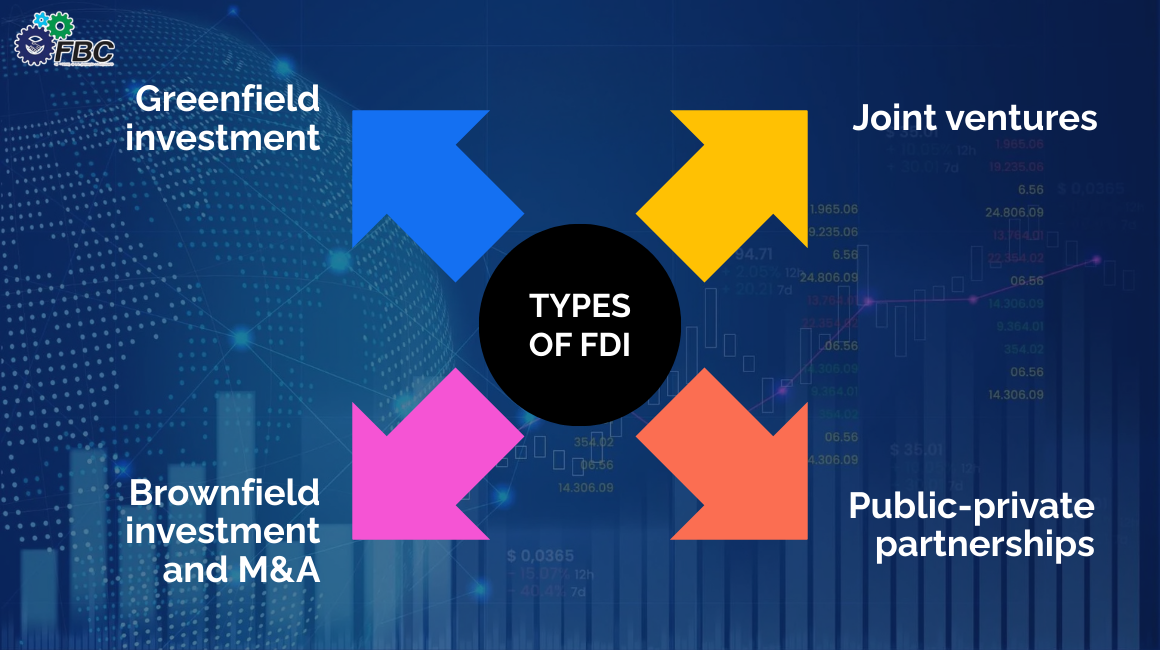
Types of Foreign Investment (FDI)
From a practical perspective, CEOs and business development leaders typically consider several main FDI structures when entering Vietnam.
- Greenfield investment: The foreign investor builds a new manufacturing facility from the ground up, often inside an industrial park with ready infrastructure and streamlined administration.
- Brownfield investment and M&A: The investor acquires or takes a controlling stake in an existing Vietnamese company, leveraging its local licenses, workforce, and supplier network while upgrading technology and capacity.
- Joint ventures: Foreign and Vietnamese partners contribute capital and share management responsibilities, which can be attractive when local relationships, land access, or licenses are critical.
- Public‑private partnerships (PPP): In capital‑intensive infrastructure or industrial projects, foreign investors may participate through PPPs with state entities under specific regulations.
What is an FDI Enterprise?
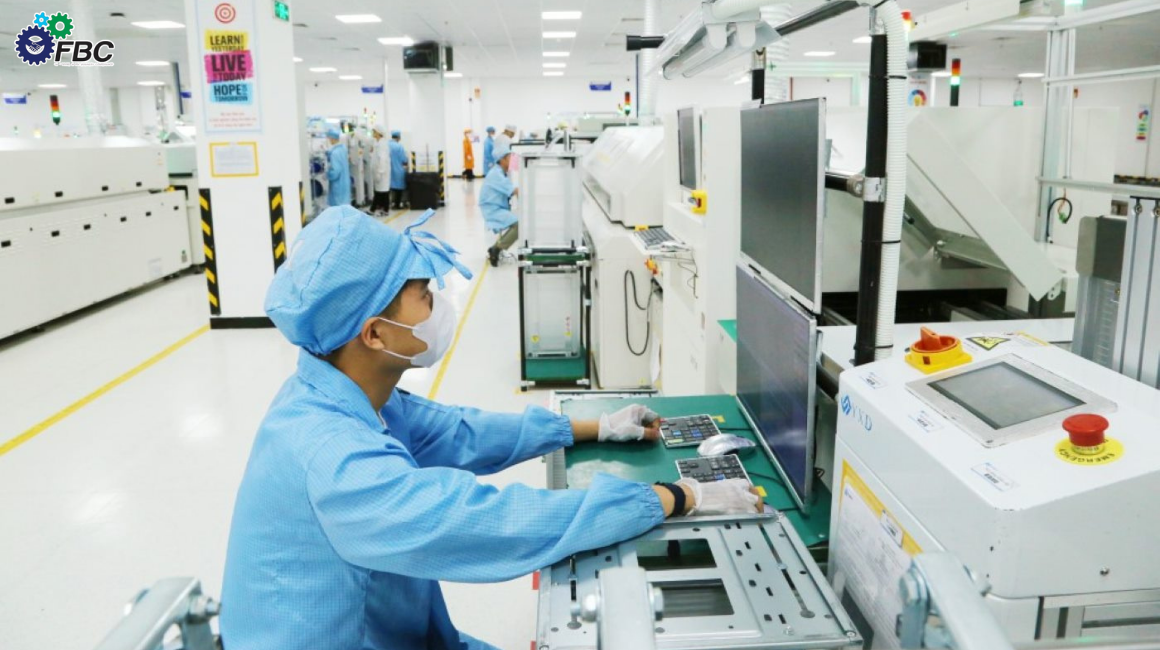
An FDI enterprise is generally understood as a business organization in which foreign investors hold a significant ownership stake and which has been granted an investment registration certificate to implement an investment project. This includes enterprises established directly by foreign investors, companies where foreign investors own at least 51 percent of charter capital through new establishment or M&A, and enterprises created by foreign investors to execute PPP projects.
Characteristics of an FDI Enterprise
Compared with purely domestic firms, FDI enterprises in Vietnam share a few common characteristics that matter for strategy and compliance.
- Foreign ownership structure: A foreign investor typically holds a controlling stake or a substantial minority that allows influence over strategic decisions.
- Project‑based licensing: Establishment and operations are tied to one or more approved investment projects, each with defined scopes, locations, and timelines.
- Dedicated capital account: FDI enterprises must open direct investment capital accounts at licensed banks to handle capital contributions, profit remittances, and other related transactions.
- Eligibility for incentives: Depending on the sector, location, and scale, FDI enterprises may benefit from tax holidays, reduced corporate income tax rates, and customs or land‑related incentives.
Conditions to Become an FDI Enterprise
From the perspective of a foreign manufacturer planning to enter Vietnam, several basic conditions need to be satisfied for your operation to qualify as an FDI enterprise.
- Eligible investor and sector: The foreign investor must meet legal requirements, and the intended manufacturing activity must be open to foreign investment under Vietnam’s WTO commitments and local regulations.
- Minimum capital and structure: The charter capital and investment capital must meet sector‑specific thresholds, particularly in capital‑intensive industries such as electronics, automotive components, or heavy machinery.
- Investment registration: The investor must obtain an investment registration certificate and, where applicable, an enterprise registration certificate or relevant sub‑licenses.
- Compliance with ownership caps: In sensitive sectors where foreign ownership is limited, the shareholding structure must comply with caps or special conditions.
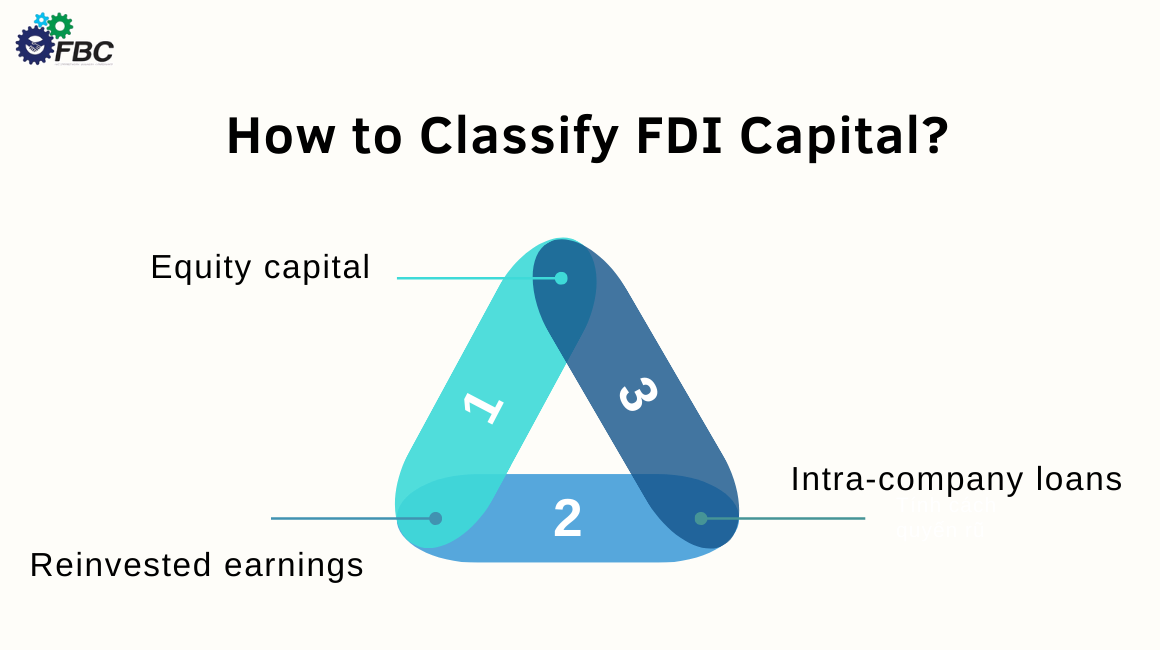
How to Classify FDI Capital?
For financial planning and risk management, both investors and policymakers often classify FDI capital into distinct categories. Common classifications include:
- Equity capital: Capital contributions and share purchases that give the foreign investor an ownership stake in the Vietnamese enterprise.
- Reinvested earnings: Profits that foreign investors choose to retain and reinvest in the local company instead of repatriating.
- Intra‑company loans: Long‑term loans from parent companies or affiliated entities abroad that finance local operations, expansions, or working capital.
Vietnam’s FDI statistics also distinguish between newly registered capital, adjusted capital for existing projects, and capital contributed or shares purchased, which helps investors track how much of the inflow comes from new entrants versus expansions of existing manufacturers.
Key Manufacturing Industries Attracting FDI in Vietnam
Vietnam’s manufacturing sector presents diverse opportunities across multiple industries, each offering unique advantages and growth potential.
- Electronics and components manufacturing:
The electronics sector represents the largest and most successful manufacturing industry for FDI in Vietnam. The country has become a major production hub for smartphones, computers, and electronic components, attracting investments from global technology leaders. Samsung’s massive operations have catalyzed broader ecosystem development, with numerous suppliers and component manufacturers establishing Vietnamese operations to serve major assemblers.
- Automotive parts and precision engineering:
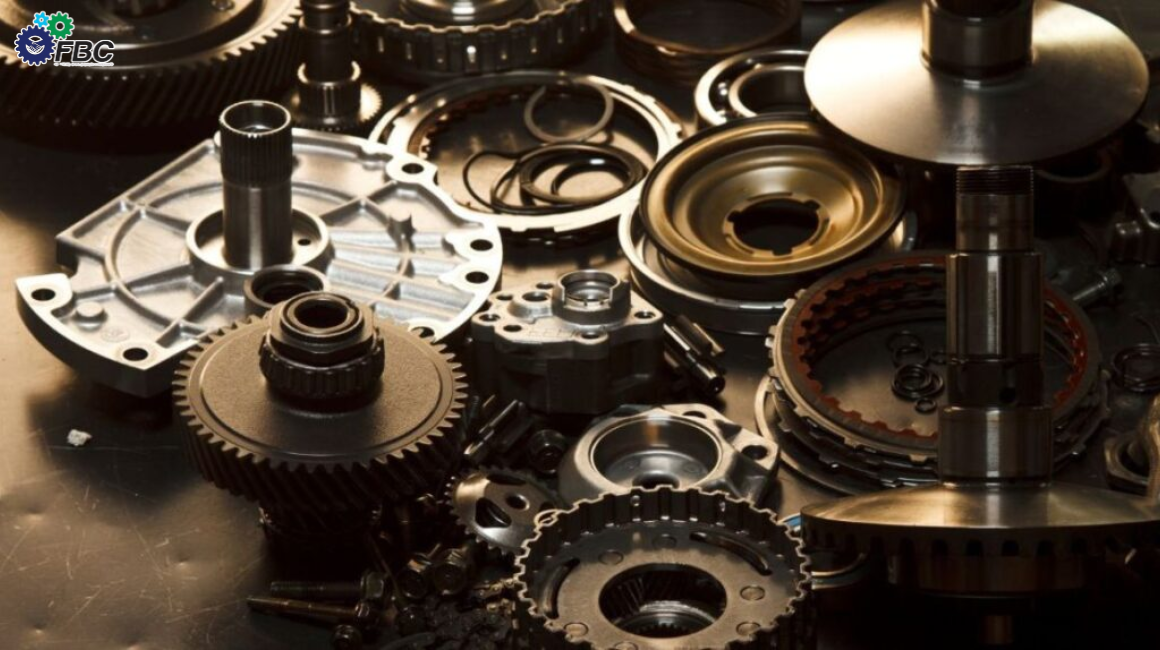
Vietnam’s automotive sector has experienced significant growth, driven by both domestic market expansion and regional export opportunities. Major Japanese manufacturers like Toyota, Honda, and Mazda have established production facilities, while Korean companies, including Hyundai, have made substantial investments. The sector focuses primarily on passenger vehicles and motorcycles, with Vietnam being one of the world’s largest motorcycle markets.
- Textiles, garments, and footwear:
Vietnam’s textile and garment industry has evolved from basic manufacturing to sophisticated production capabilities serving global fashion and sportswear brands. The sector benefits from comprehensive free trade agreements that provide preferential access to major markets, including the United States, the European Union, and other CPTPP member countries. This market access, combined with competitive production costs, has attracted significant FDI from textile and garment companies.
The footwear industry represents another success story, with Vietnam becoming the world’s second-largest footwear exporter after China. Major brands like Nike, Adidas, and Puma have established significant manufacturing presence, often through partnerships with Taiwanese and Korean companies that bring advanced production technologies and management expertise.
- Supporting industries and industrial materials:
Vietnam prioritizes the development of supporting industries as a key driver of its industrial growth. The government promotes foreign direct investment in machinery, industrial materials, and specialized components to meet rising domestic demand. Sectors like metal processing, plastics, rubber, and chemicals attract significant FDI, serving both local manufacturers and export markets, while benefiting from regional supply chain integration within Vietnam’s expanding manufacturing ecosystem.
FDI Trends Reshaping Vietnam’s Manufacturing Industry
Vietnam’s rise as a premier manufacturing hub is driven by its strategic coastal location, deep-water ports, and a robust network of over 370 industrial parks. This strong foundation has integrated Vietnam into global supply chains, attracting tech giants and driving record-breaking foreign direct investment (FDI). With the manufacturing sector consistently absorbing over 80% of recent inflows, Vietnam’s FDI landscape is rapidly evolving through three key trends:
- Shift to High-Tech: Moving away from traditional labor-intensive models, investments are now heavily targeting automation, advanced manufacturing, and high-value electronics.
- “Vietnam Plus One” Diversification: Major regional players, particularly from Japan and Korea, are expanding their manufacturing presence to mitigate supply chain risks and ensure global market access.
- Sustainable Investment: As investors strictly prioritize ESG commitments, Vietnam is accelerating its transition toward green manufacturing, renewable energy, and carbon-neutral facilities.
Government Policies Supporting FDI in the Manufacturing Sector
Vietnam’s government has implemented robust policies to attract foreign direct investment (FDI), focusing on industrial development and economic modernization. Attractive incentives, including reduced corporate tax rates and import duty exemptions, encourage investments involving technology transfer, export production, or projects in less-developed areas.
Special Economic Zones (SEZs) such as Van Don and Phu Quoc provide favorable conditions with streamlined administrative procedures, improved infrastructure, and investment protection. Recent regulatory reforms, including a revised Investment Law and digital transformation initiatives, have simplified licensing and enhanced transparency for foreign investors.
Competition among provinces like Binh Duong, Dong Nai, and Ba Ria-Vung Tau has driven innovative approaches to attract manufacturing FDI. These provinces offer improved infrastructure, additional incentives, and specialized services, developing sector expertise and supplier networks to better support investors.
Comprehensive support services are available at both national and local levels, facilitating connections, administrative assistance, and information for foreign investors. The presence of specialized professional service providers, including legal and consulting firms, further helps investors navigate regulations and establish efficient operations in Vietnam’s manufacturing sector.
Challenges and Considerations for Investors in the Manufacturing Sector
While Vietnam offers compelling opportunities for manufacturing FDI, investors must carefully consider various challenges and requirements to ensure successful operations.
- Skilled workforce development needs:
Vietnam’s rapid industrial development has created skill gaps in certain technical and managerial areas, requiring investors to invest in training and development programs. While the country produces large numbers of engineering and technical graduates, many require additional training to meet international manufacturing standards and advanced technology requirements. Successful foreign manufacturers have addressed this challenge through partnerships with local universities, the establishment of training centers, and comprehensive internal development programs. Companies that invest in workforce development often find that these programs create competitive advantages and improve employee retention rates.
- Supply chain localization requirements:
Vietnam’s industrial development strategy includes requirements for supply chain localization in certain sectors, particularly automotive manufacturing. While these requirements can create challenges for foreign investors, they also present opportunities for suppliers and component manufacturers to establish Vietnamese operations serving growing domestic markets. Understanding and planning for localization requirements enables investors to develop comprehensive strategies that comply with regulations while building competitive supplier networks.
- Infrastructure and logistics considerations:
While Vietnam’s infrastructure has improved significantly, investors must carefully evaluate logistics and utility availability for specific locations and industries. Power supply reliability, water availability, and transportation access can vary significantly between regions and industrial parks. Successful investors conduct thorough due diligence on infrastructure conditions and often work with industrial park developers to ensure adequate facilities for their operations. Planning for infrastructure requirements early in the investment process helps avoid delays and additional costs during project implementation.
- Cultural and business practice insights:
Understanding Vietnamese business culture and practices is essential for successful operations and partnership development. Building relationships with local partners, suppliers, and government officials requires time and cultural sensitivity. Language barriers and different business practices can create challenges, but also opportunities for companies that invest in cultural understanding.
FBC ASEAN – Connecting Manufacturing Investment Businesses
FBC ASEAN is an international manufacturing trade exhibition and B2B networking platform that brings together hundreds of exhibitors and thousands of professional visitors from Vietnam, Japan, and across the region. At recent editions, the event has hosted around 500 booths and more than 13,000 visitors, generating thousands of business‑matching sessions between foreign and local manufacturers.
For businesses and exhibitors, FBC ASEAN will provide:
- Direct access to over 800 manufacturers and solution providers across key sectors such as electronics, metalworking, plastics, rubber, and machinery.
- A hybrid online‑offline platform that supports pre‑event matching, on‑site meetings, and post‑event follow‑up to maximize deal conversion.
- Market intelligence on Vietnam’s FDI landscape, emerging industrial clusters, and real supplier capabilities that are often difficult to verify remotely.
By joining FBC ASEAN, foreign investors can shorten their learning curve, validate potential partners, and build a reliable, localized supply chain for regional or global manufacturing programs.
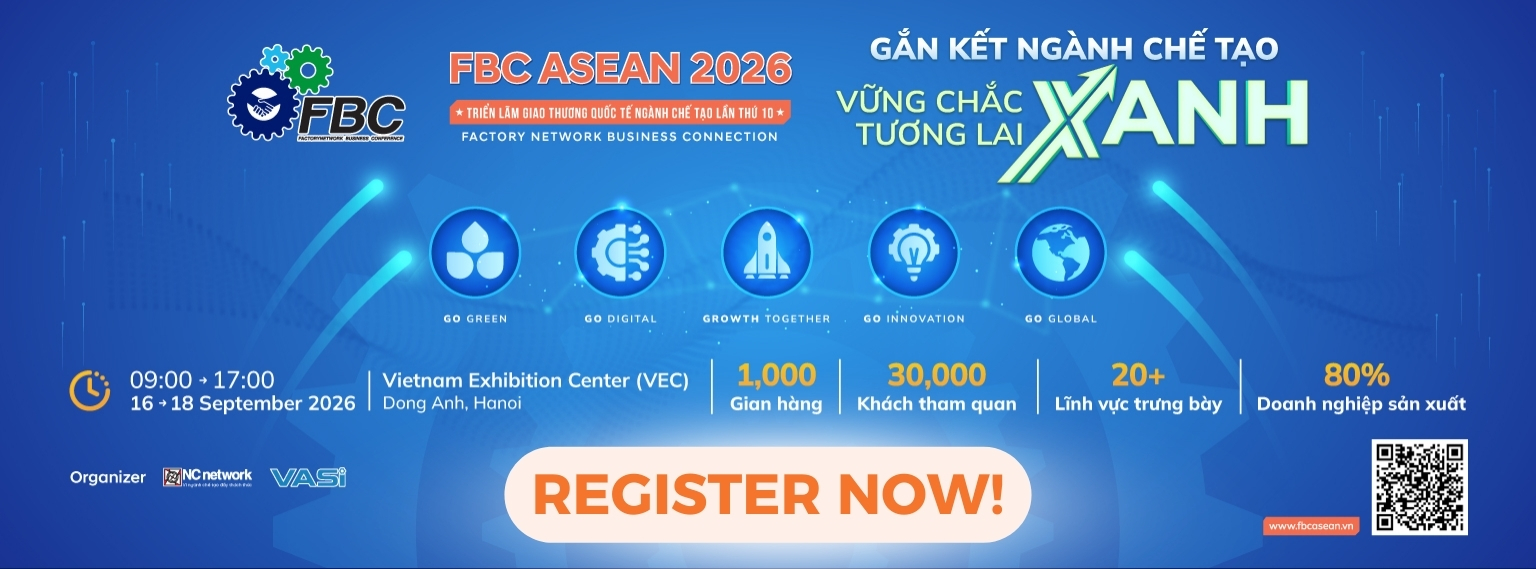
Perfect your supply chain with trusted partners at FBC ASEAN. Click the banner to register!
Frequently Asked Questions about Foreign Direct Investment (FAQ)
How to Differentiate Between FDI and FPI?
FDI involves foreign investors gaining active management control and a lasting interest in a business (e.g., building a factory). In contrast, FPI is a passive investment in foreign financial assets, such as stocks or bonds, without holding operational control.
What is the difference between FDI and ODA?
FDI is driven by private foreign investors seeking business profits and market expansion. ODA (Official Development Assistance) consists of aid or low-interest loans provided by governments or international agencies to promote the economic development and welfare of developing countries.
What is FDI capital?
FDI capital refers to the tangible and intangible assets, such as financial funds, machinery, technology, and intellectual property, that foreign investors transfer into a host country to establish or expand business operations.
What is FDI investment consulting?
It is a professional advisory service that guides foreign investors through the complexities of entering a new market, offering expertise in legal compliance, market research, site selection, and business registration to ensure a successful setup.
Foreign Direct Investment (FDI) is rapidly transforming Vietnam into a high-value manufacturing hub, offering attractive opportunities for strategic supply chain diversification. Join FBC ASEAN today to accelerate market entry, strengthen your supply chain, and turn your FDI strategy into a profitable reality!