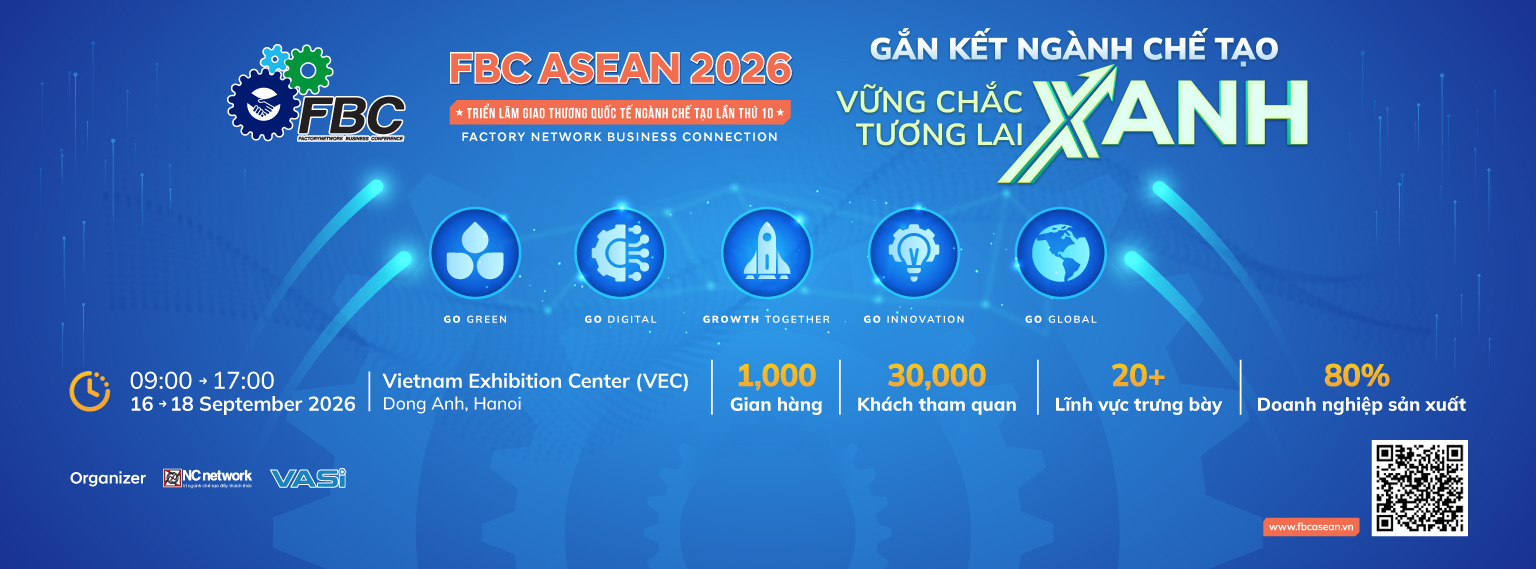
 16~18/09/2026
 VEC, Dong Anh, Ha Noi
Event marketing B2B has transformed dramatically since 2020. Hybrid formats, AI powered matchmaking, and data driven follow up systems have replaced traditional booth and brochure approaches. Whether you are planning exhibition participation, organizing buyer supplier meetings, or evaluating event investment decisions, you will find actionable frameworks FBC ASEAN guide.
What is B2B Event Marketing?
B2B event marketing is a strategic approach where businesses use organized gatherings exhibitions, conferences, trade shows, and networking functions to connect with other businesses for commercial purposes including lead generation, brand building, partnership development, and market expansion.
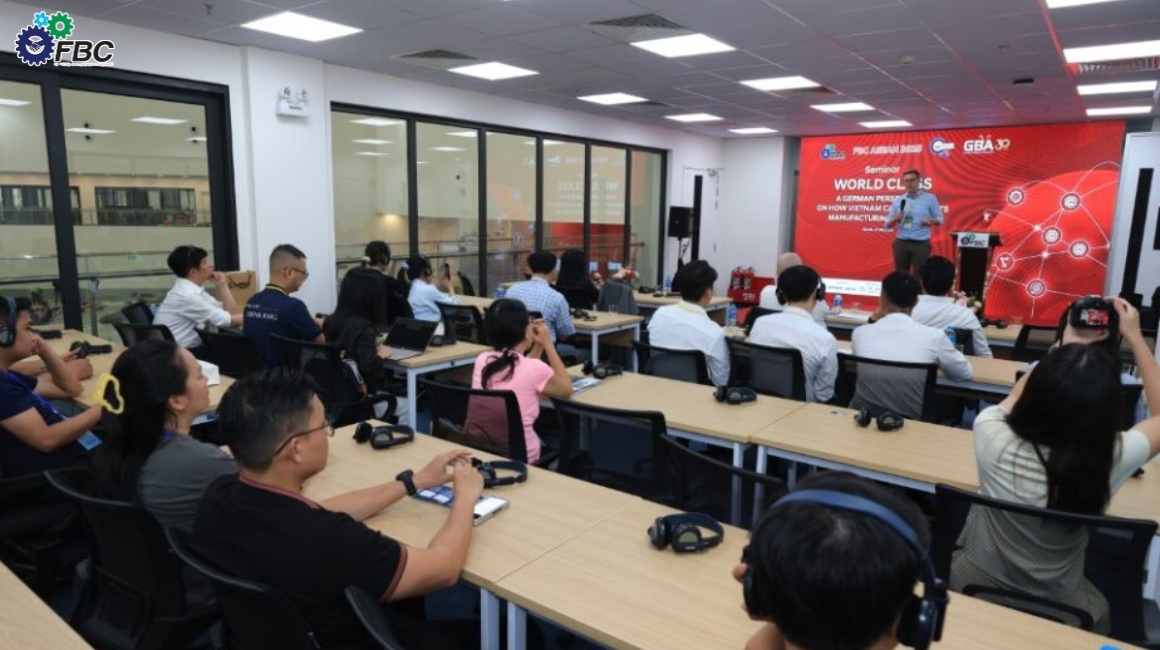
According to the 2024 Demand Gen Report, 68% of B2B marketers rate in person events as their most effective tactic for pipeline generation, outperforming content marketing (54%), webinars (49%), and email marketing (42%). For manufacturing sector companies specifically, events provide irreplaceable opportunities for product demonstration, capability assessment, and trust building that digital channels cannot replicate.
Key benefits of B2B Event Marketing for businesses
Strategic event marketing delivers measurable advantages across multiple business functions. Understanding these benefits helps justify investment and guide resource allocation.
- Lead generation: B2B events bring together pre qualified buyers and suppliers, enabling warm introductions and significantly faster lead conversion compared to cold outreach.
- Brand awareness: On site participation strengthens credibility, signals long term commitment, and creates memorable brand impressions among decision makers.
- Customer engagement: Face to face meetings deepen existing relationships, improve retention, and uncover expansion or cross selling opportunities.
- Education: Conferences and seminars support thought leadership while providing valuable insights into market trends, technologies, and customer challenges.
- Strategic supplier discovery: Events compress supplier evaluation timelines by allowing direct comparison of capabilities, quality, and fit in one place.
- Market intelligence: Observing competitors and engaging with industry peers reveals strategic shifts and emerging opportunities beyond published data.
- Partnership opportunities: Informal interactions often spark collaborations such as joint ventures, technology partnerships, or market entry alliances.
Popular types of B2B Events
Event marketing B2B span diverse formats serving different marketing objectives. Selecting appropriate formats requires matching event characteristics with strategic priorities and resource constraints.
Physical Events
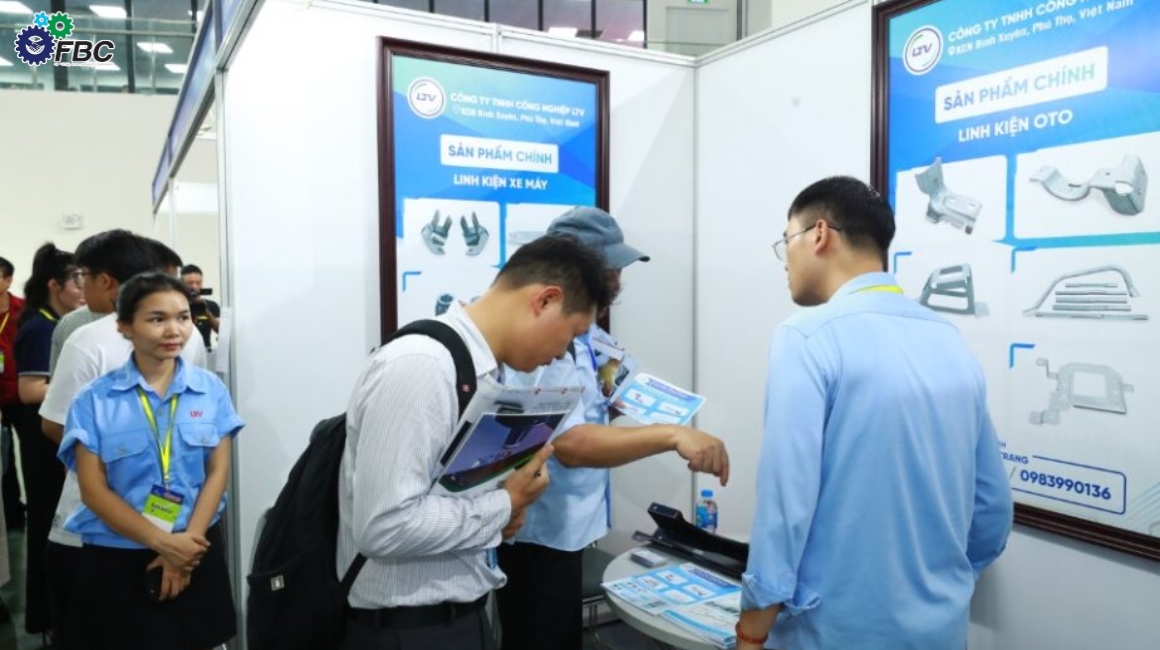
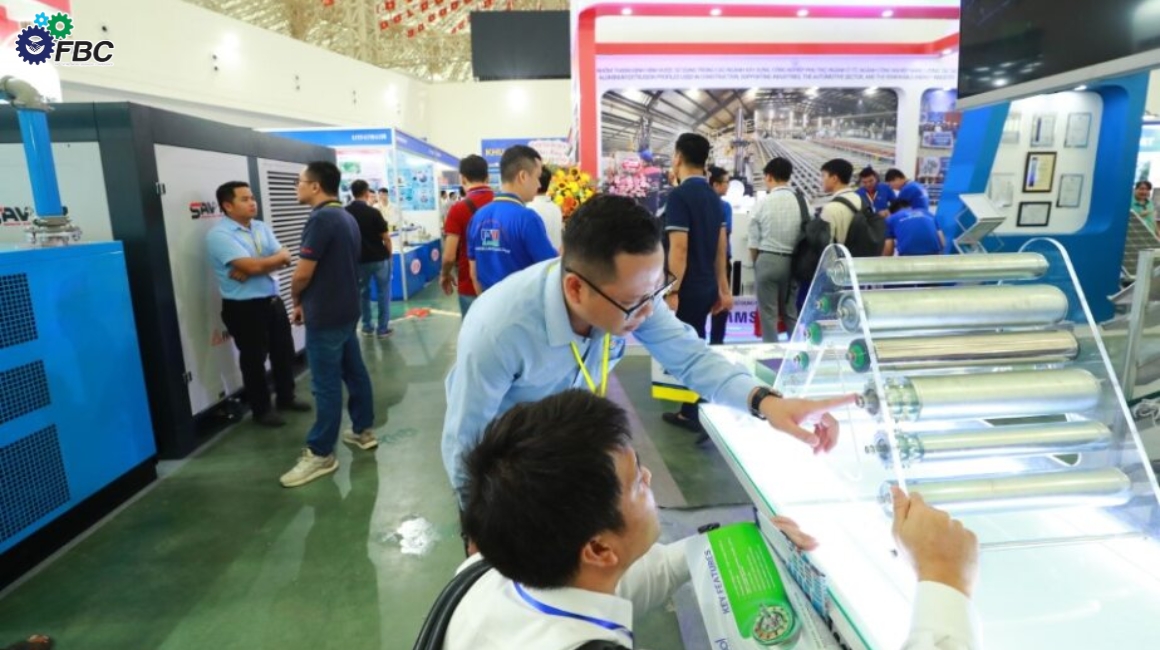
Physical B2B events remain central to manufacturing marketing because they enable direct product evaluation, capability assessment, and relationship building. Formats such as trade exhibitions, conferences, roadshows, and factory tours combine networking with education and transparency, helping buyers compare suppliers efficiently and make confident partnership decisions despite the growth of digital alternatives.
Virtual/Hybrid Events
Digital event formats have grown rapidly since 2020 and now complement rather than replace physical events, lowering participation barriers while offering less relationship depth. Virtual trade shows, hybrid events, and webinars expand reach through online booths, livestream sessions, and interactive tools, making them effective for education, initial engagement, and thought leadership, while in person interaction remains superior for deeper trust and partnership building.
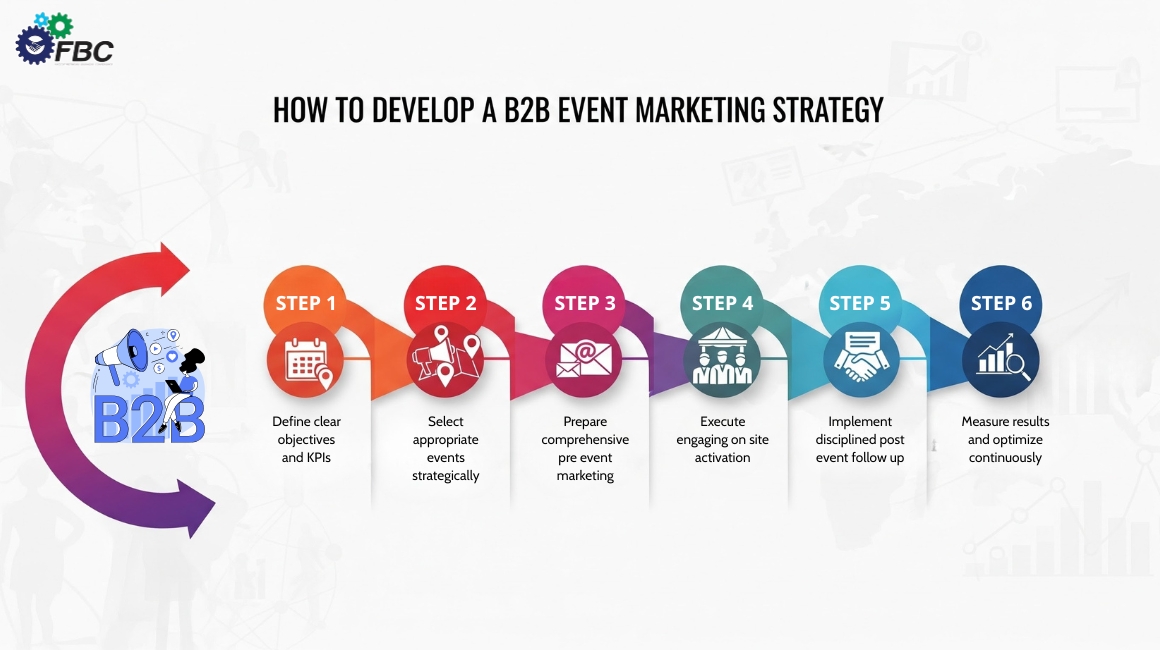
A guide on how to develop a B2B Event Marketing strategy
Effective B2B event marketing requires systematic strategy development rather than ad hoc participation decisions. This framework guides comprehensive planning across the event lifecycle.
- Step 1 – Define clear objectives and KPIs
Establish specific, measurable goals tied to business priorities, such as qualified meetings, quotations, or market awareness among defined buyer segments.
- Step 2 – Select appropriate events strategically
Evaluate events based on attendee profile, historical performance, event format, competitive presence, and total investment required.
- Step 3 – Prepare comprehensive pre event marketing
Begin outreach early by promoting participation, researching attendees, scheduling meetings, preparing materials, and training staff.
- Step 4 – Execute engaging on site activation
Focus on high quality interactions through knowledgeable staff, interactive demonstrations, active networking, and systematic lead documentation.
- Step 5 – Implement disciplined post event follow up
Follow up within 48 hours, personalize communication, fulfill commitments, segment leads, and nurture relationships through structured processes.
- Step 6 – Measure results and optimize continuously
Track metrics across awareness, engagement, conversion, and revenue to assess ROI and refine future event strategies.
Frequently Asked Questions (FAQ)
1. What is a B2B customer base?
A B2B customer base consists of businesses and organizations that purchase products or services for operational use rather than personal consumption.
2. What is Event Marketing?
Event marketing is a promotional strategy using organized experiences trade shows, conferences, seminars, product launches, and networking functions to engage target audiences, generate leads, build brand awareness, and drive business objectives.
3. What is a 2B2 sales representative?
A B2B sales representative sells products or services from one business to other businesses rather than individual consumers. Their responsibilities include prospecting potential clients, conducting needs assessments, presenting solutions, negotiating contracts, and managing ongoing customer relationships.
4. What is B2B Marketing?
B2B marketing encompasses strategies and tactics businesses use to promote products or services to other businesses. Unlike B2C marketing targeting individual consumers, B2B marketing addresses organizational buyers making rational purchasing decisions based on business value.
FBC ASEAN is designed for manufacturers seeking reliable and suitable suppliers, especially in Vietnam, Japan & Thailand
Event marketing B2B remains indispensable for manufacturing businesses despite digital transformation across other marketing channels. The irreplaceable value of face to face relationship building, hands on product evaluation, and concentrated decision maker access ensures events retain strategic importance. Stay updated on manufacturing industry events and B2B networking opportunities by following FBC ASEAN.
By participating, you can directly connect with qualified machinery, component, and solution providers, evaluate production capabilities on site, and reduce the time required to source new partners.
If your business is actively reviewing supply options or planning future procurement, FBC ASEAN supports informed and efficient sourcing decisions.
👉 Register as a Buyer at: