
 16~18/09/2026
 VEC, Dong Anh, Ha Noi
The China plus one strategy has consequently emerged as the essential solution for businesses seeking to build long-term operational resilience and mitigate costly disruptions. In this article, FBC ASEAN presents how savvy enterprises are leveraging Vietnam and the ASEAN region to optimize their supply chains and maintain a global competitive edge.
Overview of the China Plus One Strategy
Before B2B firms can design sourcing or factory relocation plans, they need a clear understanding of what China Plus One really means in practice and why it has become a structural global trend.
What is the China Plus One Strategy?
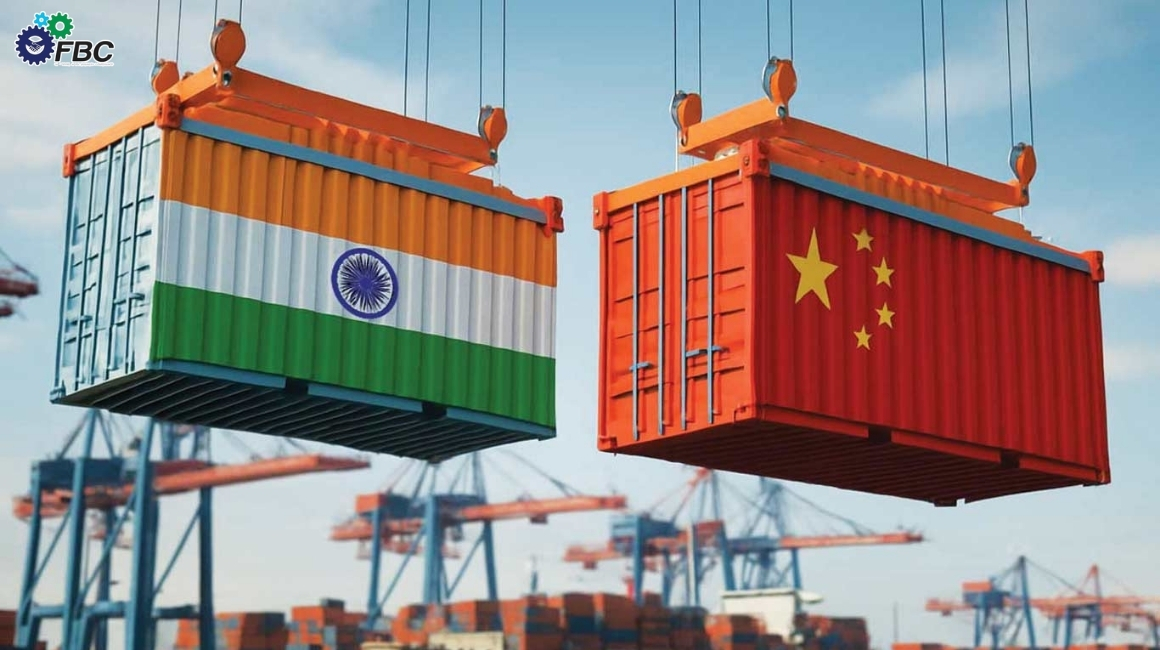
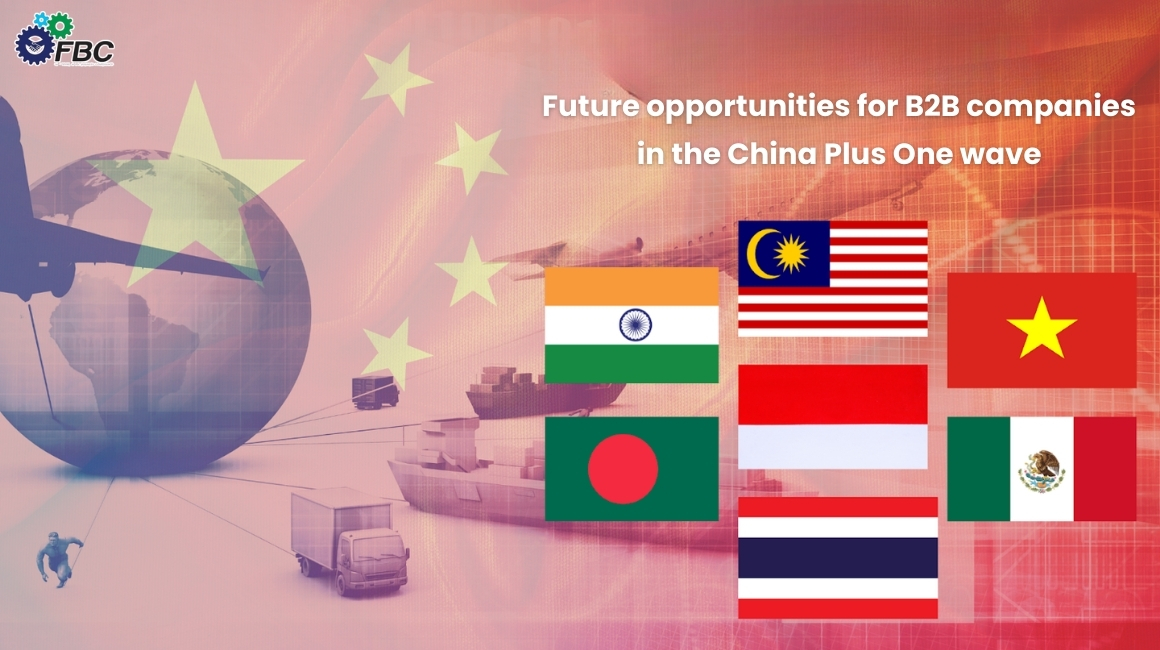
China Plus One (also called China+1 or C+1) is a strategy where companies keep manufacturing or sourcing activities in China while adding at least one more country to their production or supplier footprint. Instead of exiting China entirely, firms diversify to other locations such as Vietnam, Thailand, India, or Mexico to balance China’s strengths with alternative bases.
The origins and evolution of the China Plus One strategy
For nearly two decades, Western and Asian companies concentrated manufacturing in China to benefit from low labor costs, strong infrastructure, and a huge domestic market. Over time, factors like wage inflation, stricter regulations, and supply disruptions pushed firms to explore alternative sites, giving rise to the China Plus One narrative around the early 2010s. The strategy has since evolved from a cost-driven experiment into a core risk management and resilience play embedded in long term global operations decisions.
Why China Plus One matters for the global economy
China Plus One shapes where FDI flows, which countries become industrial hubs, and how value is distributed across global supply chains. As companies relocate segments of production to ASEAN and other emerging markets, they create new industrial clusters, jobs, and technology spillovers beyond China. At the same time, multi-country production footprints help stabilize global supply by reducing the impact of shocks in any single economy.
Key drivers behind China Plus One
Executives typically pursue China Plus One because multiple operational and strategic risks have converged, making single-country dependency a board-level concern.
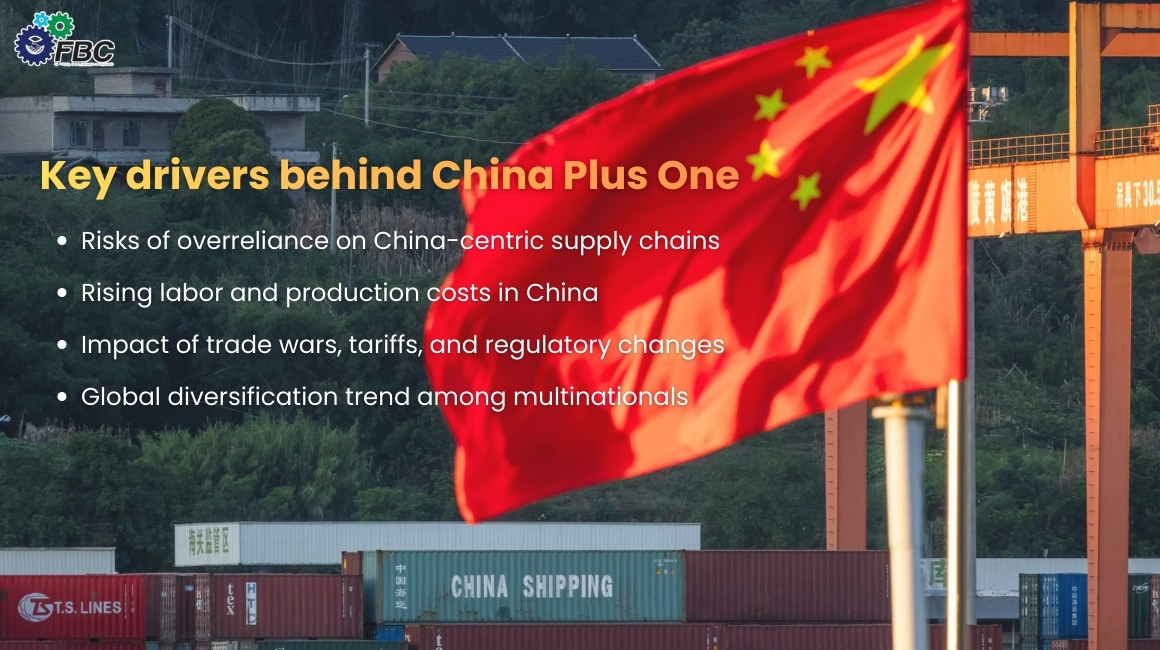
Risks of overreliance on China-centric supply chains
Relying heavily on factories or suppliers located only in China exposes firms to disruptions from pandemics, local lockdowns, port congestion, or policy shifts. Events like zero COVID controls and shipping bottlenecks showed how quickly a regional problem can turn into a global supply shock when the ecosystem is concentrated.
Rising labor and production costs in China
China’s manufacturing ecosystem remains highly competitive, but its cost structure has changed as wages and compliance costs have increased. Many labor-intensive industries such as garments, footwear, and basic electronics assembly, find that alternative Asian locations now offer lower total landed costs for certain product lines. This encourages companies to keep advanced, high-value activity in China while shifting simpler or more price-sensitive work to Plus One countries.
Impact of trade wars, tariffs, and regulatory changes
Trade tensions between major economies have led to tariffs, export controls, and tighter screening of technology-related investments, directly affecting China-centered value chains. Companies exporting from China to markets like the United States or Europe have faced higher duties and increased compliance complexity, making diversification more attractive. Relocating part of production to ASEAN or India can reduce tariff exposure and create more flexible routing options for finished goods.
Global diversification trend among multinationals
Boards and investors increasingly expect multinationals to build geographically diversified supply chains as a standard of good governance. This shift is reinforced by ESG expectations, where resilience and social risk management are viewed as part of long term sustainability. As a result, China Plus One is no longer just a sourcing tactic but part of a broader portfolio approach to manufacturing footprints.
How the China Plus One Strategy works in practice
In real projects, China Plus One is implemented through concrete operating models and industry-specific roadmaps rather than vague relocation plans.
Four common China Plus One models
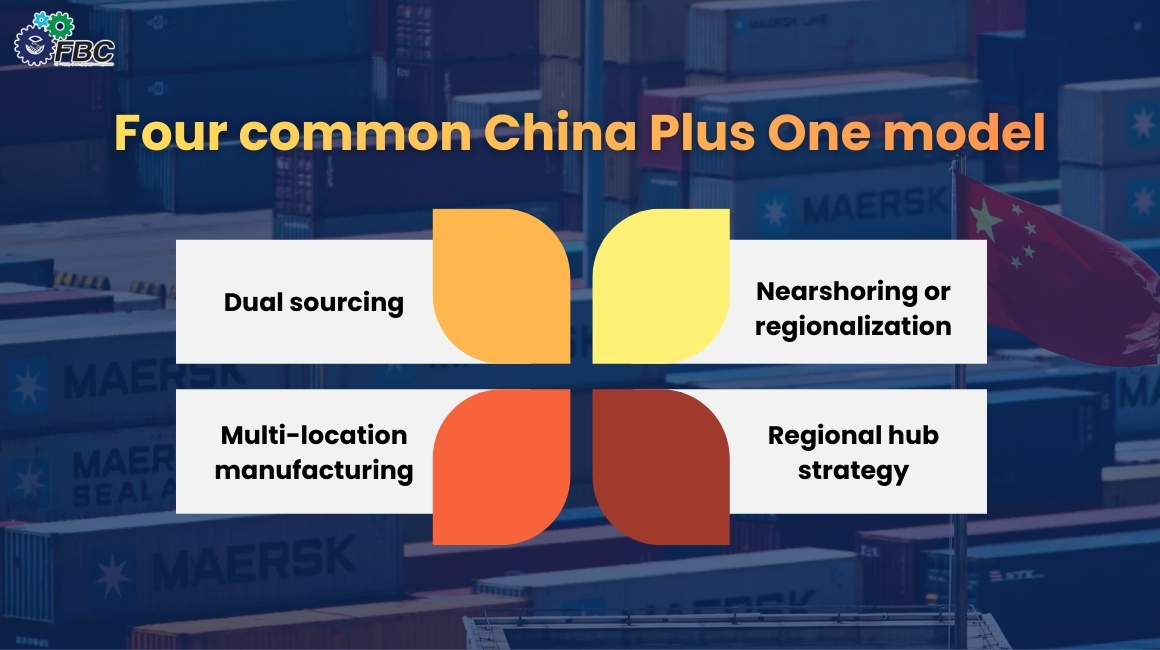
B2B firms usually operationalize China Plus One through at least four recognizable models:
- Dual sourcing: Keeping core suppliers in China while approving at least one qualified supplier in another country for the same components or assemblies.
- Multi-location manufacturing: Operating plants in China and in one or more Plus One countries and flexing volumes between sites depending on demand, risk, and tariffs.
- Nearshoring or regionalization: Adding production closer to end markets (for example, ASEAN plants for Asia Pacific, Mexico for North America) while retaining China as a key regional hub.
- Regional hub strategy: Positioning China as a high-tech or domestic market hub and building complementary hubs in ASEAN or India for export-oriented, cost-sensitive, or lower-tier activities
Leading sectors adopting China Plus One
Industries with global customer bases, complex multi-tier supply chains, and high sensitivity to disruption are at the forefront of adopting China Plus One. Electronics and semiconductors, automotive components, textiles and garments, industrial machinery, and fast-moving consumer goods are among the most active movers. In Vietnam, electronics assembly, precision engineering, and automotive suppliers have attracted strong FDI inflows as part of this rebalancing.
ASEAN and Vietnam in today’s China Plus One landscape
As firms look for their Plus One, ASEAN has emerged as a top regional choice, with Vietnam often leading shortlists for manufacturing projects.
Why ASEAN is an attractive Plus One destination?
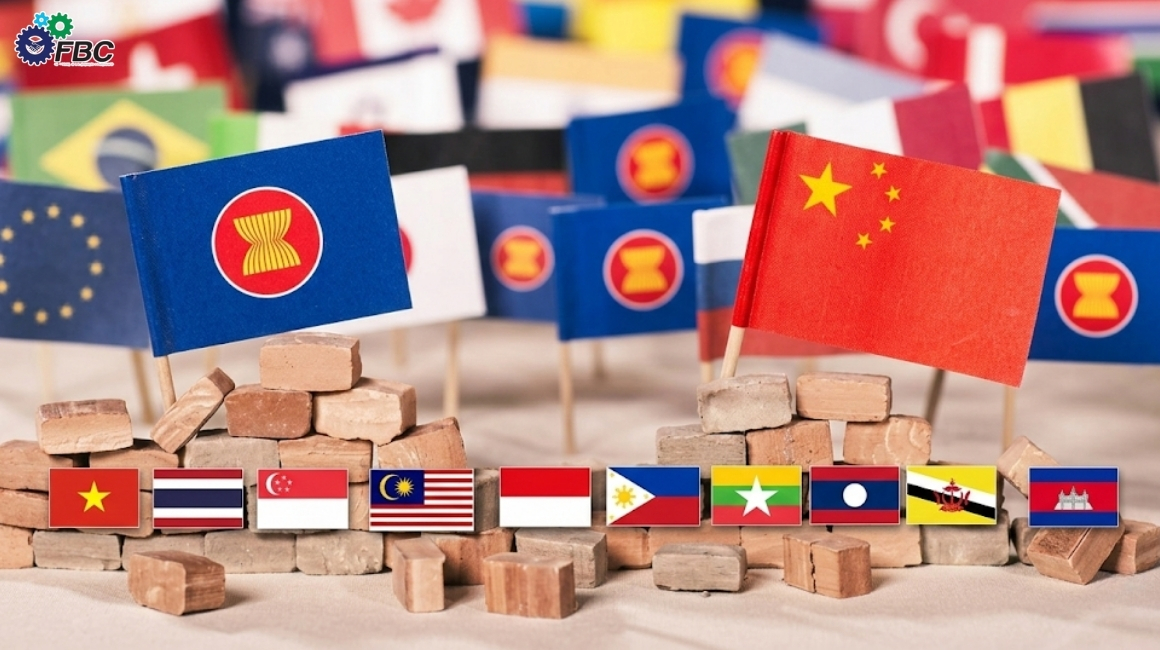
ASEAN offers a large combined market, a young labor force, improving infrastructure, and a dense network of trade agreements that support intra-regional production networks. Its diversity allows companies to match specific needs, such as low-cost assembly, advanced electronics, or resource-based processing, with the strengths of individual member states. For manufacturers, being in ASEAN also facilitates flexible routing and market access across Asia, Oceania, and beyond.
Vietnam’s competitive advantages versus other ASEAN countries
Compared with peers like Thailand, Indonesia, Malaysia, and India, Vietnam offers a combination of competitive labor costs, political stability, and pro-FDI policies that appeal strongly to manufacturers. Disbursed FDI reached around 25.35 billion USD in 2024, signaling sustained investor confidence in Vietnam’s manufacturing environment. At the same time, Vietnam’s manufacturing FDI is increasingly concentrated in higher value sectors like electronics assembly, precision engineering, and automotive components.
Vietnam’s geography, infrastructure, FTAs, and investment environment
Vietnam’s location along key sea lanes and near major Asian markets makes it a strategic export base for global supply chains. The country has expanded industrial parks and logistics corridors while promoting high-tech and supporting industries with targeted incentives. Participation in trade agreements such as CPTPP and EVFTA further improves market access and reduces tariff barriers for Vietnam-based exporters.
The role of RCEP, CPTPP, and EVFTA in FDI decisions
Mega regional agreements like RCEP integrate Vietnam more deeply into Asian production networks, encouraging investors to design multi-country supply chains anchored in the region. CPTPP and EVFTA, meanwhile, provide preferential access to key markets such as Japan, Canada, and the European Union, which is especially attractive for export-oriented manufacturing projects. For companies implementing China Plus One, these agreements turn Vietnam into both a cost-competitive base and a gateway to multiple high-value markets.
Future opportunities for B2B companies in the China Plus One wave
To benefit from China Plus One, Vietnamese and ASEAN suppliers must think like global B2B players, aligning their commercial strategy with the needs of diversified sourcing programs.
Defining the right B2B buyer personas
In a China Plus One context, key decision makers include purchasing managers, supply chain managers, plant managers, and headquarters sourcing teams who evaluate risk, cost, and quality holistically. These personas care about concrete metrics such as lead time, defect rates, capacity flexibility, and compliance with global standards.
Building “visible & verifiable” capabilities
Global buyers expect clear, verifiable proof of capabilities from Vietnamese suppliers through operational data, certifications, and documented track records. This includes ISO and industry-specific certifications, OEE or yield data, audited ESG practices, and case studies showing performance for international customers.
Crafting a B2B content strategy
Instead of generic, we manufacture X messages, suppliers should position themselves as solving specific problems within a customer’s China Plus One strategy, such as reducing single-country risk or shortening lead times into ASEAN. Practical content assets can include application notes, customer success stories, and technical guides that show how the supplier integrates into diversified supply chains.
Priority channels for global B2B marketing
For manufacturing companies, high-value channels include trade exhibitions, curated B2B networking events, LinkedIn, and specialized industrial platforms. These environments bring together qualified buyers actively looking for suppliers, making them far more efficient than broad, untargeted digital campaigns.
Challenges when implementing China Plus One in Vietnam
While Vietnam stands out as a premier destination for the China plus one model, B2B firms must strategically navigate these four critical structural challenges to ensure long-term operational success:
- Infrastructure & Logistics Gaps: Limitations persist in deep-sea port accessibility, cold chain solutions, and synchronized multimodal connectivity across various provinces.
- Underdeveloped Supporting Industries: The domestic supply base remains uneven, frequently forcing investors to rely on imported raw materials and key components.
- Human Capital Shortages: A significant deficit exists in technical specialists and mid-to-senior management, particularly for high-tech and highly automated manufacturing plants.
- Regulatory and Administrative Hurdles: Despite legal improvements, complex local procedures and inconsistent policy implementation can still cause significant delays in project timelines.
How companies can capitalize on the current China Plus One wave
To effectively compete on the global stage and secure long-term partnerships, Vietnamese B2B firms should focus on the following core pillars:
- Value-Based Positioning: Emphasize reliability, operational transparency, and long-term partnership potential rather than competing solely on low pricing.
- Targeted Company Profiling: Highlighting production capacity, robust quality systems, and ESG compliance to speak directly to the needs of supply chain and plant managers.
- High-Impact Marketing Channels: Prioritize specialized industry exhibitions and reputable B2B platforms that aggregate pre-vetted, serious international buyers.
- Proof-Based Content: Showcase tangible production capabilities, international certifications, and detailed case studies that demonstrate your ability to meet global sustainability standards.
The role of FBC ASEAN in corporate China Plus One strategies
FBC ASEAN is an international manufacturing trade exhibition and networking ecosystem designed specifically to connect manufacturers and supporting industry suppliers with real buyers in Vietnam and ASEAN. It combines offline booths, structured buyer–seller matching, and the Emidas online platform to create a continuous connection before, during, and after the show.
For B2B firms looking to bridge the gap between production and global procurement, FBC ASEAN serves as a premier strategic platform:
- Elite Manufacturing Ecosystem: Approximately 80% of exhibitors are manufacturing specialists, creating a high-density environment for industrial synergy.
- Direct Access to Global Giants: Major brands like Panasonic and Samsung regularly participate as lead buyers, actively seeking reliable local suppliers in Vietnam.
- Massive Network Reach: Exhibitors gain immediate visibility to a network of over 23,000 manufacturing businesses and dozens of qualified buyers.
- Targeted Supply Chain Integration: The event facilitates a practical transition from “Made in Vietnam” to a fully integrated role in regional and global supply chains through expert matching.
If you are a buyer looking for suppliers in Vietnam as part of a China plus one strategy, you can register to attend FBC ASEAN simply by clicking on the banner below.!
6-12 Month roadmap for Vietnamese companies to ride the China Plus One wave
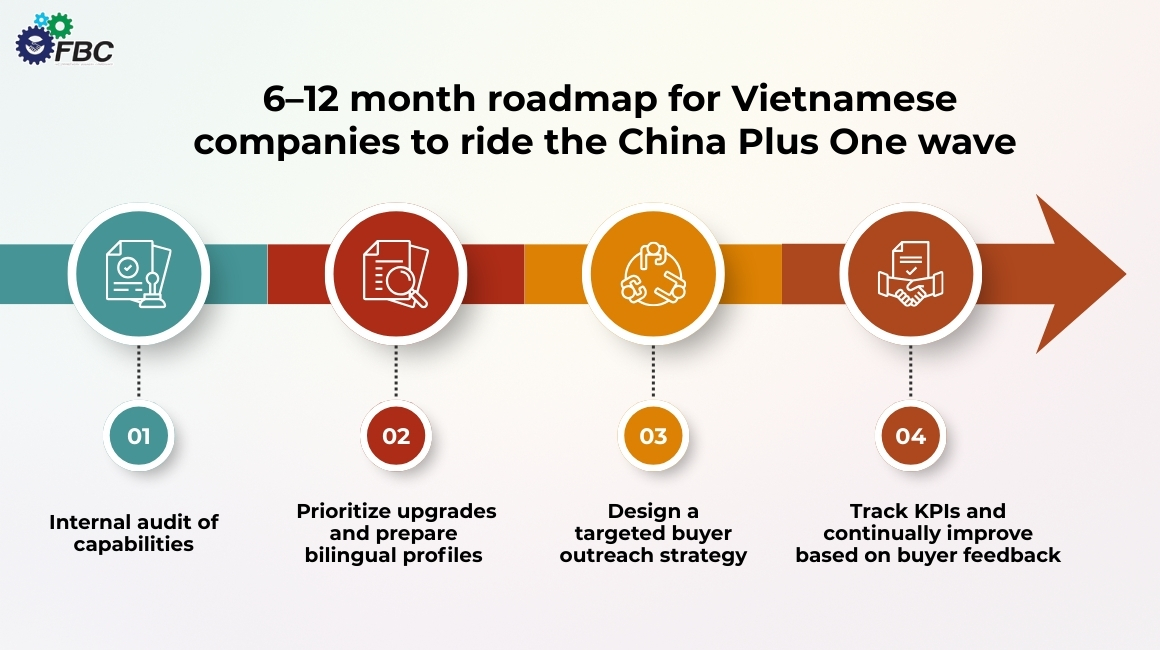
A structured roadmap helps manufacturers turn intent into results within a realistic 6–12 month window.
- Step 1 – Internal audit of capabilities: Assess processes, capacity, quality systems, and ESG practices against the expectations of multinational buyers implementing China Plus One.
- Step 2 – Prioritize upgrades and prepare bilingual profiles: Close the most critical gaps (such as quality documentation or traceability) and build clear English–Vietnamese company profiles, datasheets, and case studies.
- Step 3 – Design a targeted buyer outreach strategy: Combine participation in exhibitions like FBC ASEAN with focused outreach via LinkedIn and industry platforms to reach purchasing and supply chain leaders in target markets.
- Step 4 – Track KPIs and continually improve based on buyer feedback: Monitor inquiry volume, sample approvals, trial orders, and conversion rates, then refine processes and messaging accordingly.
China Plus One is no longer a temporary buzzword but a long-term restructuring of global manufacturing footprints, with ASEAN and Vietnam at the center of many diversification plans. For B2B manufacturers, success in this new landscape requires verifiable capabilities, strategic positioning, and active participation in high-quality platforms like FBC ASEAN that connect them with serious global buyers.